
 +86 13157971785
 kevin@yunintl.com



Fashion Accessories MOQ and Lead Times: A Buyer’s Guide
October 2, 2026
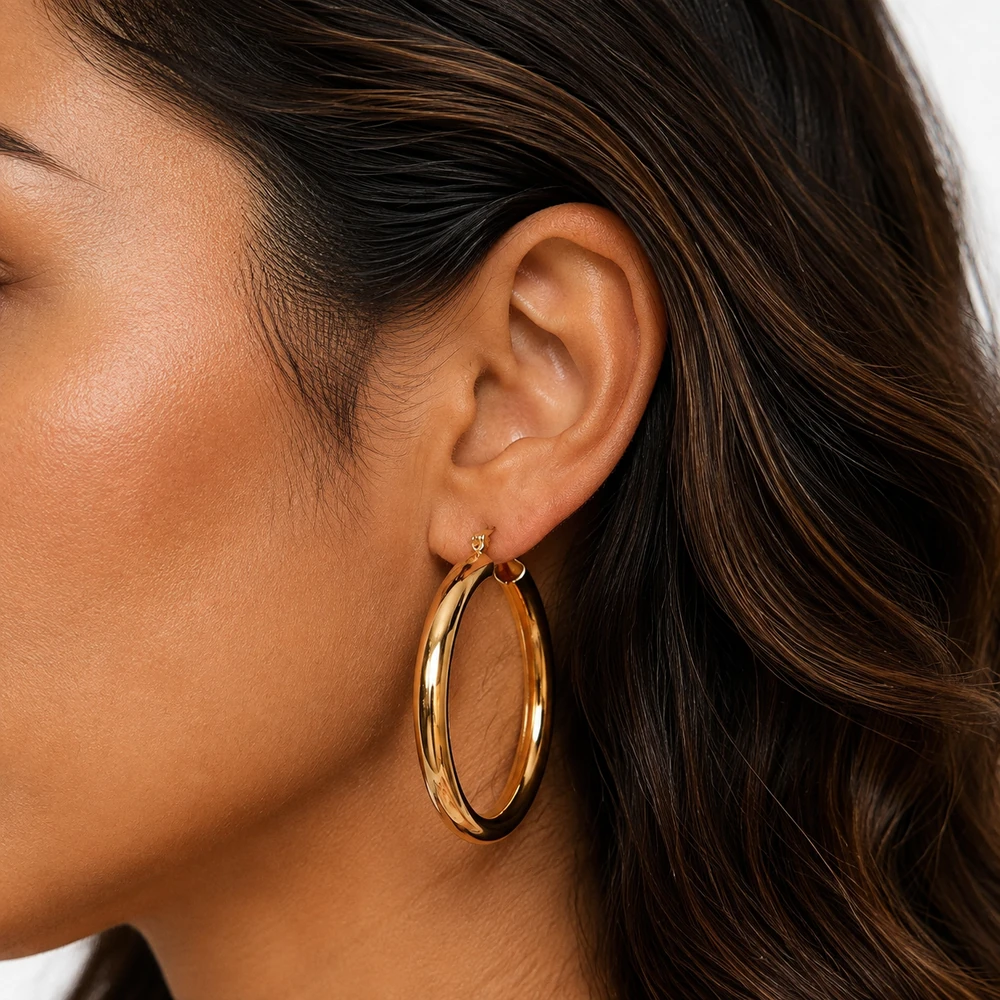
Fashion accessories MOQ is only useful when the buyer and supplier agree on what the quantity covers. Before comparing quotations, confirm whether the minimum applies to one style, one color, one pack or a complete set. Then connect that quantity to a realistic development and delivery schedule.
For fast-fashion retailers, the aim is to build an assortment that fits the buying budget and launch calendar. A small initial order can still become complicated when it includes many finishes, custom components or different packaging versions. This guide explains what to clarify before approving an accessories order.
What does the minimum order quantity cover?
YUNINTL lists a starting MOQ of 360 pieces. Treat this as a discussion starting point rather than a universal minimum for every item. An earring set, an individual belt and a handbag have different selling units. The quotation should state the applicable unit and the minimum for the selected style.
- Style: Is the minimum required for each individual design?
- Color or finish: Can colors be combined, or does each need its own production quantity?
- Retail unit: Does one unit mean one item, one pair or a multi-piece set?
- Packaging: Are different cards, labels or retail packs treated separately?
For example, 360 three-pair earring sets would mean 360 retail sets, not 360 individual earrings. Use the product quotation to confirm the unit before calculating the budget or placing the purchase order.
Why a repeat order and a new order need different schedules
A repeat order can reuse an approved specification when the material, finish, dimensions and packaging remain unchanged. A new order needs those decisions to be resolved first. A previous style with a new material or revised hardware should not automatically be treated as an unchanged repeat.
YUNINTL’s current planning information gives the following reference windows. They are indicative order-planning figures, subject to the selected product, quantity, approvals and agreed destination.
| Order type | FOB reference | DDP reference |
|---|---|---|
| Repeat order | 4 weeks | 8 weeks |
| New order | 6 weeks | 10 weeks |
Ask the quotation to identify the start date and completion milestone for each window. Do not compare an FOB shipment milestone directly with delivery at a DDP destination as though they were the same event. Confirm the named location, shipping plan and responsibilities in the order agreement.
Work backward from the required arrival date
Start with the date the goods must reach the agreed location. Then allow time for receiving, any onward distribution and your own retail preparation. Share both the required arrival date and the intended sales launch with the supplier.
Next, confirm the deadlines for sample comments, packaging artwork and order approval. If the buyer changes a finish after sample approval or sends barcode artwork late, the supplier needs to review the schedule. Ask for an updated plan instead of assuming the original date still applies.
Prepare one clear request for quotation
- Product references and a description of any requested changes.
- Quantity by style, color and selling unit.
- Target price and the delivery basis for that target.
- Branding, packaging and label requirements.
- Destination and required arrival date.
- Applicable buyer testing or inspection requirements.
Keep payment terms separate from delivery terms. FOB and DDP describe delivery arrangements; the quotation should also state the separately agreed payment schedule.
Discuss the order before fixing the assortment
YUNINTL supports sourcing across jewelry, bags, apparel accessories and eyewear. Share the full buying plan so quantities and development needs can be reviewed together. This does not mean that unrelated styles automatically share one combined MOQ.
For the approval stages behind an order, read our jewelry sourcing process from sample to shipment. To check a specific assortment, send YUNINTL your product references, quantities and required delivery date.




