
 +86 13157971785
 kevin@yunintl.com



Custom Handbag Development: What to Include in Your Brief
October 2, 2026
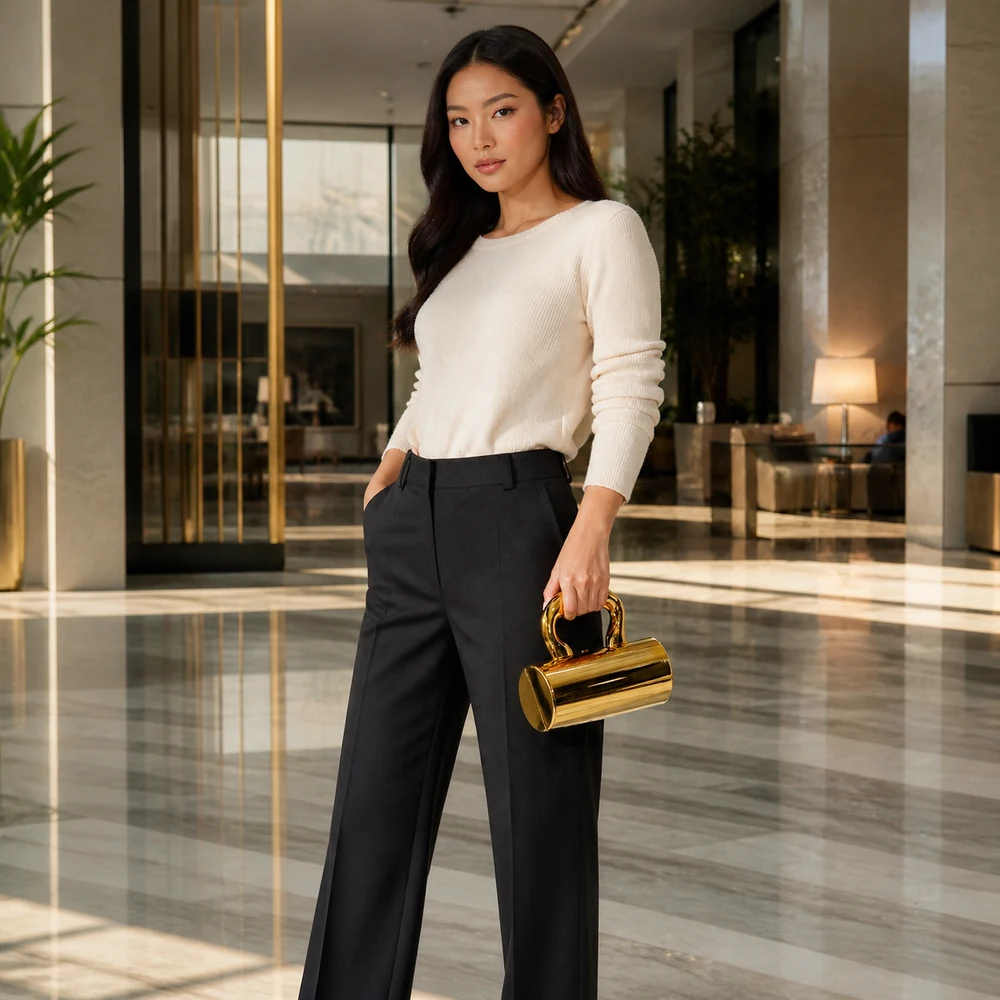
Custom handbag development starts with a clear brief. A reference photo can communicate the look of a bag, but it rarely shows enough to confirm its size, internal construction, material feel or hardware function. Those missing details can lead to a sample that looks close while missing the buyer’s intended use or target price.
YUNINTL supports development from reference images and physical samples. Its team includes two bag pattern makers with extensive pattern-making and production experience. Buyers can make better use of that experience by identifying what should be preserved, what can change and which requirements are still open for discussion.
Show the shape from more than one angle
Provide front, back, side and interior views when available. Include a photograph of the closure and the points where handles or straps connect to the body. If you have a physical sample, explain whether it represents the exact construction you want or only the overall style direction.
Mark changes directly on the reference or list them in a short numbered brief. For example, “keep the crescent silhouette, increase the strap drop and replace the lining” is more useful than “make this bag better.” Use references you are entitled to use and identify your own branding separately.
Define dimensions and carrying requirements
- Body dimensions: Width, height and depth, with units clearly stated.
- Opening: The usable opening and closure style.
- Handles and straps: Handle drop, strap length, adjustability and detachable fittings.
- Interior: Lining, compartments and pocket requirements.
- Intended contents: The objects the bag should accommodate, such as a particular phone size.
A model photograph helps communicate proportion, but it is not a measurement sheet. If a bag must fit a specific object, provide that object’s dimensions and check the usable interior during sampling.
Separate appearance from material specification
Describe both the visual effect and the construction you expect. For a PU bag, useful details include surface texture, gloss, color direction, softness and the required body structure. A photograph alone cannot establish the material composition or performance.
Share a swatch or an approved reference when color and hand feel are important. Ask the development team to flag material alternatives that could affect the price, shape or schedule. Final descriptions should follow the material confirmed for the approved sample, rather than assumptions based on appearance.
Identify hardware before the quotation is finalized
List zippers, buckles, clasps, chains, feet and decorative components separately. Confirm their finish, dimensions and function. State whether a standard component is acceptable or whether you need a new custom shape.
New hardware can change the development scope. YUNINTL distinguishes bag development without new hardware from work that requires additional component development. A sampling estimate should therefore be confirmed after the team reviews the actual brief; it should not be treated as the full production lead time.
Include commercial and packaging requirements
Give an estimated order quantity by color, a target price and the required delivery date. Explain the target price basis so the product cost is not confused with a delivered cost. Also identify labels, hangtags, protective packing and any retailer-specific presentation requirements.
If the opening order and replenishment plan are different, describe both. A development choice that works for the first order should also be reviewed for repeat sourcing and consistency.
Review the sample with a written change list
Check the silhouette, dimensions, strap position, seams, edge finishing, lining and closure operation. Record each requested change clearly and identify the sample version being reviewed. Where a requirement involves testing, agree on the applicable test and acceptance criteria rather than relying on a visual check.
Approve the final specification before bulk production. Keep the approved sample, measurements, component details and packaging instructions aligned so the production team is working to one reference.
Send a brief that can be quoted and sampled
A useful submission combines reference images or a sample, a dimension list, material and hardware requirements, estimated quantities and the delivery plan. It is fine to leave a choice open if you explicitly ask for options at a particular target price.
Send your handbag development brief to YUNINTL with the changes you want and the decisions you need help making. For quantity and timing questions, ask the team to confirm the MOQ and order schedule for the specific design.




